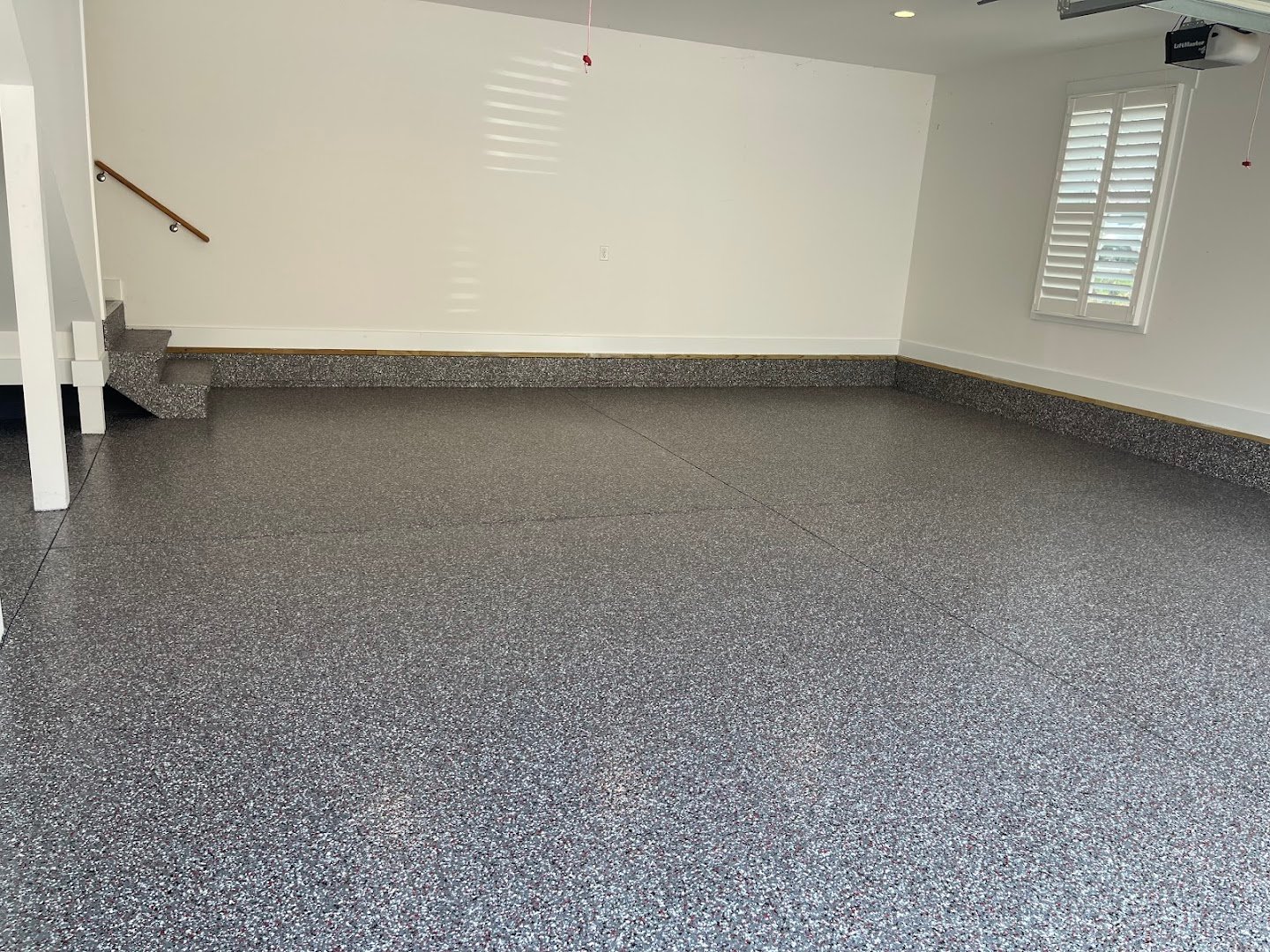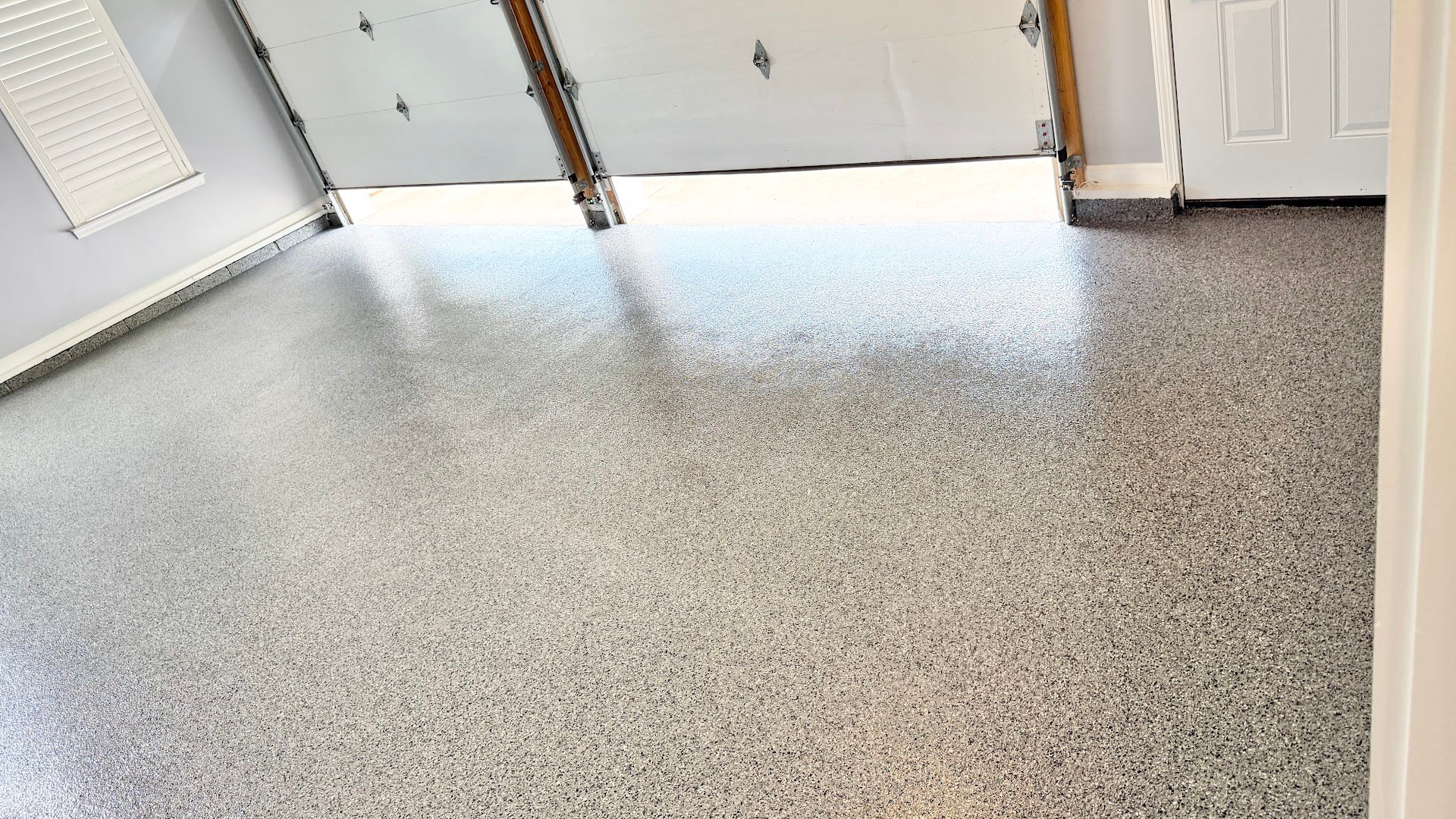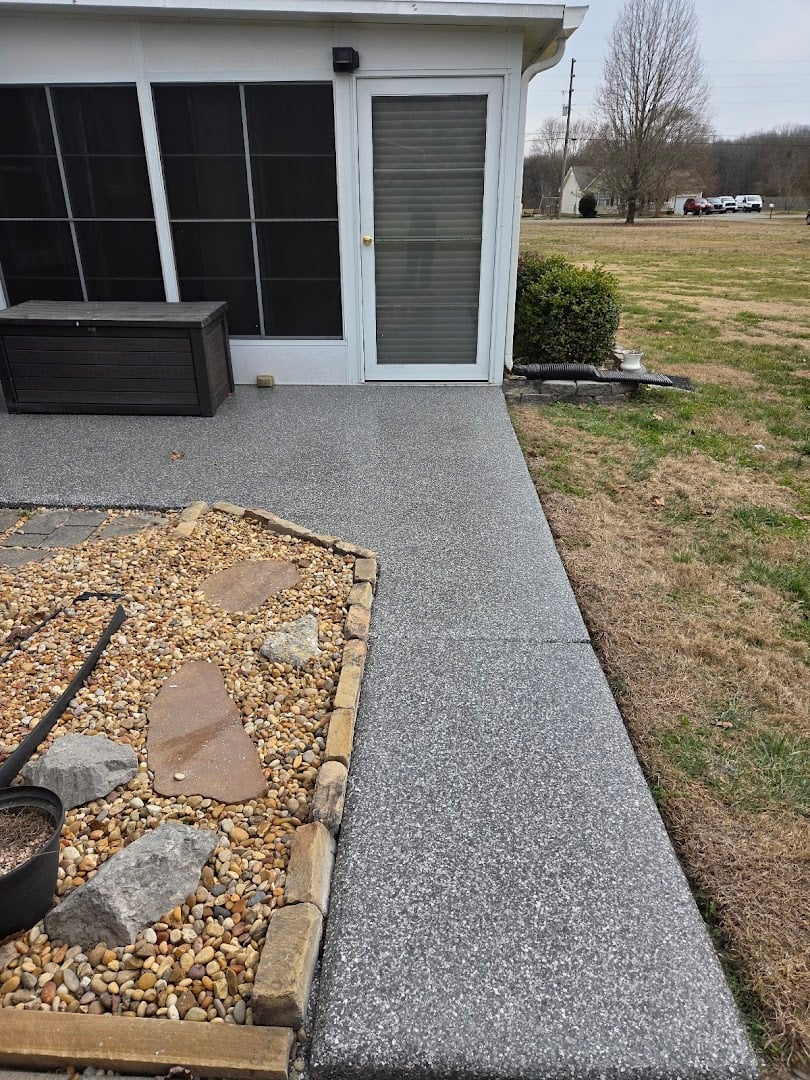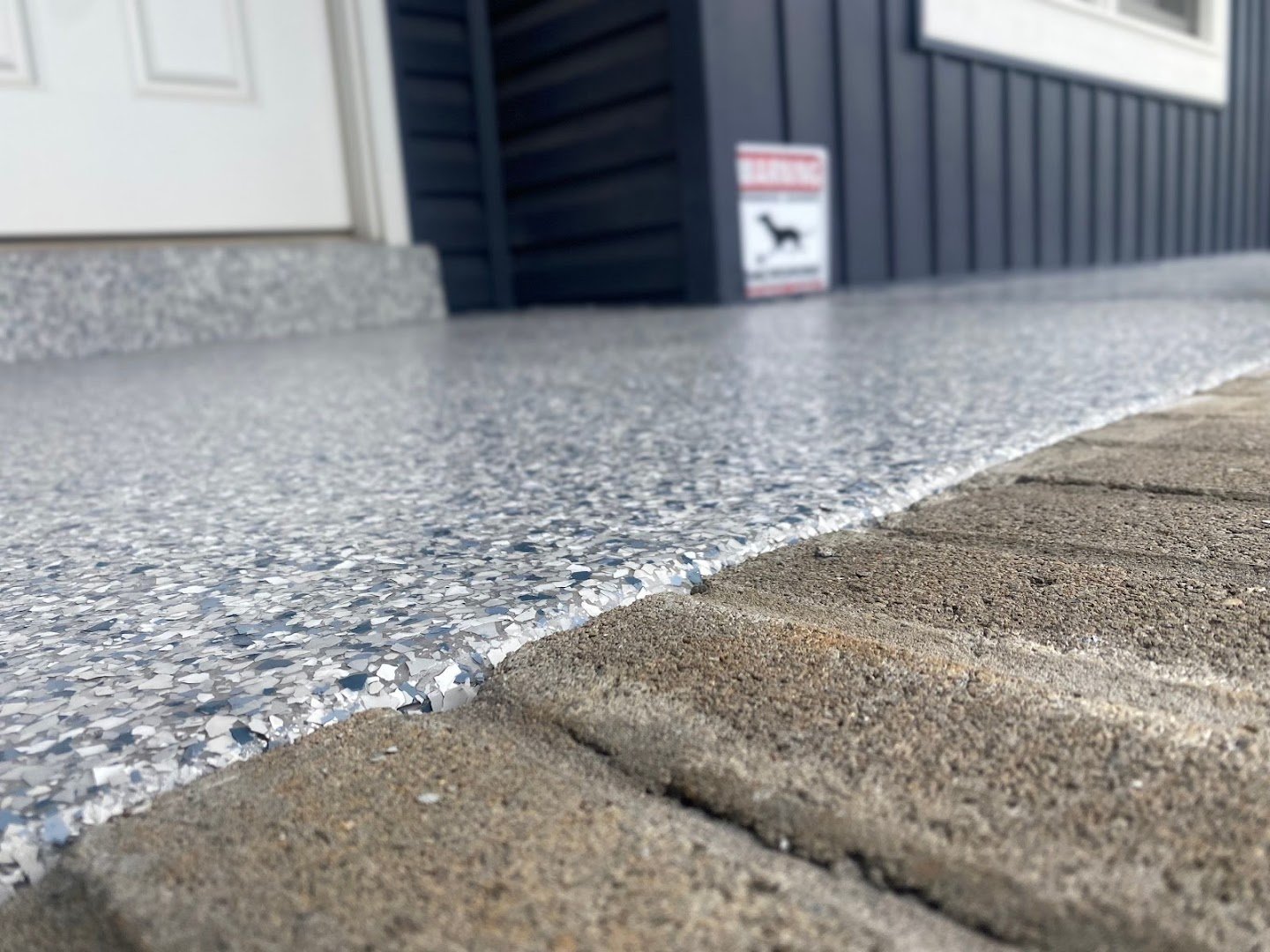

Quick answer: Road salt, moisture, and freeze-thaw cycles slowly damage bare concrete garage floors. Salt tracked in from winter roads soaks into the concrete, causing pitting, cracking, and surface flaking over time. Protective garage floor coatings seal the surface, blocking salt and water and keeping your floor intact through even the harshest Kentucky winters.
Winter is tough on everything—your car, your driveway, and especially your garage floor. Once temperatures drop and the plows start spreading salt, your garage becomes a collection point for slush, brine, and grit. All of that ends up sitting on your concrete, quietly doing damage you might not notice until it's too late.
If you live in the Bowling Green area, you know how quickly winter conditions can shift. One day it's dry, the next you're driving through a salty mess. That constant cycle takes a toll on bare concrete floors. In this post, we'll break down exactly how road salt and cold weather harm your garage floor—and what you can do to protect it for the long haul.
Key Takeaways
- Road salt and winter moisture cause concrete to pit, crack, and flake through repeated freeze-thaw cycles.
- Bare concrete is porous, so salty water soaks in and damages the slab from the inside out.
- Professional garage floor coatings create a sealed barrier that protects your floor against salt, water, and cold-weather wear.
Why Is Road Salt So Damaging to Concrete?
Road salt is designed to melt ice, but it doesn't just disappear. When your car drives over salted roads, that brine sticks to your tires and undercarriage. Then it drips onto your garage floor as the snow and ice melt off your vehicle.
Here's the problem: bare concrete is porous. It absorbs liquids like a sponge. When salty water seeps into those tiny pores, it attracts and holds moisture. That trapped moisture leads to a chemical reaction that breaks down the concrete over time, causing the surface to flake and crumble—a process known as spalling.
Salt also lowers the freezing point of water, which means moisture inside your concrete can freeze and thaw more often than it would otherwise. Each of those cycles puts stress on the slab.
What Does the Freeze-Thaw Cycle Do to a Garage Floor?
The freeze-thaw cycle is one of the biggest threats to concrete in cold climates. It works like this:
- Water seeps into the pores and cracks of your concrete.
- When temperatures drop, that water freezes and expands—by roughly 9% in volume.
- The expansion pushes against the surrounding concrete, creating internal pressure.
- When it thaws, the water contracts, leaving behind slightly larger cracks.
Repeat this dozens of times over a single winter, and you get widening cracks, surface pitting, and chunks of concrete breaking loose. In Bowling Green, where temperatures often hover right around freezing, this cycle can happen again and again throughout the season.
What Are the Warning Signs of Winter Damage?
Catching problems early can save you a costly repair down the road. Keep an eye out for these common signs of salt and cold-weather damage:
- Pitting: Small holes or divots appearing across the surface.
- Cracking: New cracks forming, or existing ones getting wider.
- Flaking or spalling: Thin layers of concrete peeling or chipping away.
- White residue: A chalky, powdery film called efflorescence, which signals moisture and salt movement inside the slab.
- Discoloration: Stains or dark patches from moisture and de-icing chemicals.
If you're noticing any of these, your bare concrete is already absorbing salt and water—and the damage will only accelerate each winter.
How Do Garage Floor Coatings Protect Against Salt and Winter Weather?
The best defense against winter damage is stopping salt and moisture before they ever reach the concrete. That's exactly what a professional coating does.
High-quality garage floor coatings create a seamless, non-porous barrier over your slab. Instead of soaking into the concrete, salty water and melted snow sit on the surface where you can easily wipe or squeegee them away. No absorption means no internal moisture, and no freeze-thaw damage inside the slab.
A good coating system offers several winter-ready benefits:
- Waterproof seal: Blocks salt, brine, and water from penetrating the concrete.
- Chemical resistance: Stands up to de-icing salts and other harsh substances.
- Easy cleanup: Wipes clean quickly, so grime and salt don't linger.
- Durability: Handles heavy vehicle traffic and temperature swings without cracking.
- Slip resistance: Many coatings include texture that improves traction when floors get wet.
At Maverick Concrete Coatings, we install durable, professional-grade garage floor coatings in Bowling Green KY that are built to withstand the region's freeze-thaw cycles. A properly coated floor doesn't just look great—it holds up season after season.
Is It Better to Coat Before or After Winter Damage Appears?
Choose to coat your floor before damage appears if long-term protection and cost savings matter most to you. Sealing fresh, undamaged concrete is the ideal scenario, since the coating bonds to a smooth, solid surface.
That said, it's not too late if your floor already shows some wear. Minor pitting and cracks can often be repaired and prepped before a coating goes on. The key is acting sooner rather than later—every winter you wait, the damage compounds and repairs become more involved.
Protect Your Garage Floor Before the Next Cold Snap
Winter weather isn't going anywhere, and road salt will keep finding its way into your garage year after year. Bare concrete simply can't stand up to that punishment forever. The good news is that protection is straightforward and long-lasting once you seal the surface.
Investing in quality garage floor coatings now means fewer repairs, a cleaner space, and a floor that looks great for years to come. If you're in the Bowling Green area, reach out to Maverick Concrete Coatings for a consultation. We'll help you choose the right coating system to keep your garage protected through every winter ahead.
Frequently Asked Questions
Can road salt really damage a concrete garage floor?
Yes. Road salt draws moisture into porous concrete and accelerates freeze-thaw cycles. Over time, this leads to pitting, cracking, and surface flaking, especially on bare, unsealed floors.
How much does it cost to coat a garage floor in Bowling Green KY?
Costs vary based on the size of your garage, the condition of the concrete, and the coating system you choose. For an accurate estimate, contact Maverick Concrete Coatings for a personalized quote.
How long do garage floor coatings last?
A professionally installed coating can last many years with proper care. Durability depends on the product used, surface prep, and how much traffic your floor sees—but quality coatings are built to handle heavy use and temperature swings.
Can I still coat my floor if it already has salt damage?
In most cases, yes. Minor cracks and pitting can be repaired and the surface prepped before applying a coating. The sooner you address existing damage, the better the results.
Do garage floor coatings help with more than just winter protection?
Absolutely. Beyond blocking salt and moisture, coatings resist oil stains, chemicals, and abrasion. They're also easier to clean and give your garage a polished, finished look.