An epoxy floor has long been a popular choice for homeowners and businesses seeking a durable, attractive, and easy-to-maintain concrete surface. From garages to industrial settings, its robust nature and customizable aesthetics make it a compelling option. But what exactly is an epoxy floor, and how does it stack up against today's advanced concrete coating solutions? We'll explore the ins and outs of epoxy, its common uses, and introduce you to superior alternatives that offer even greater performance and longevity.
What Exactly is an Epoxy Floor?
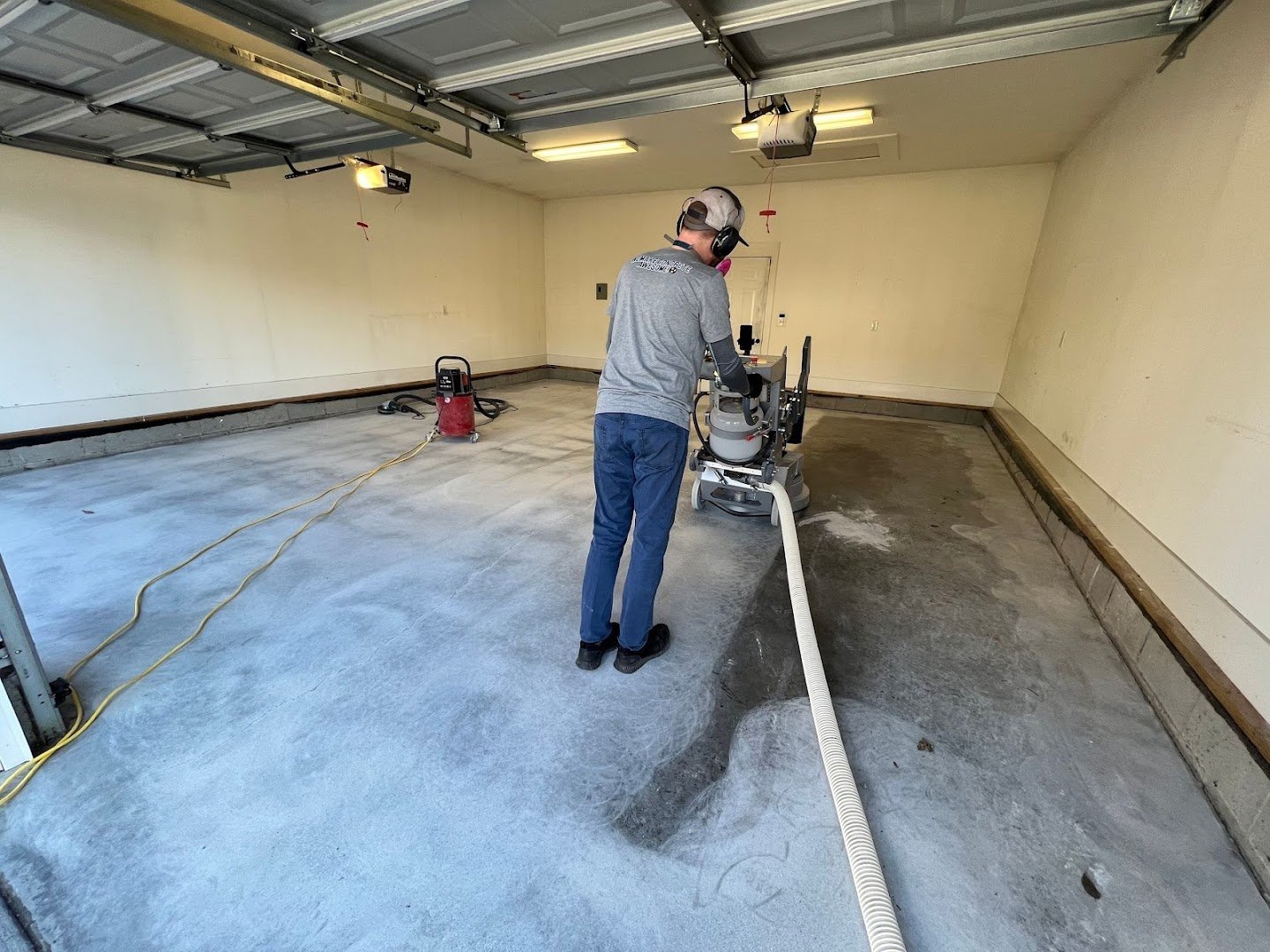
At its core, an epoxy floor is a flooring surface made from multiple layers of epoxy applied over a concrete substrate. Epoxy itself is a thermosetting polymer material that is created when an epoxide resin is mixed with a polyamine hardener. This chemical reaction forms a rigid, plastic-like material that is incredibly strong and bonds exceptionally well to concrete. The result is a seamless, non-porous surface that can withstand significant wear and tear, making it ideal for high-traffic areas.
Unlike paint, which simply sits on top of the concrete, an epoxy coating penetrates and bonds with the concrete, creating a much more resilient and long-lasting finish. It's known for its resistance to chemicals, abrasions, and impacts, offering a protective layer that enhances both the functionality and appearance of any concrete slab.
Where Are Epoxy Floors Most Commonly Used?
The versatility and durability of an epoxy floor make it suitable for a wide array of applications, both residential and commercial. Its ability to create a tough, easy-to-clean surface is highly valued across various environments.
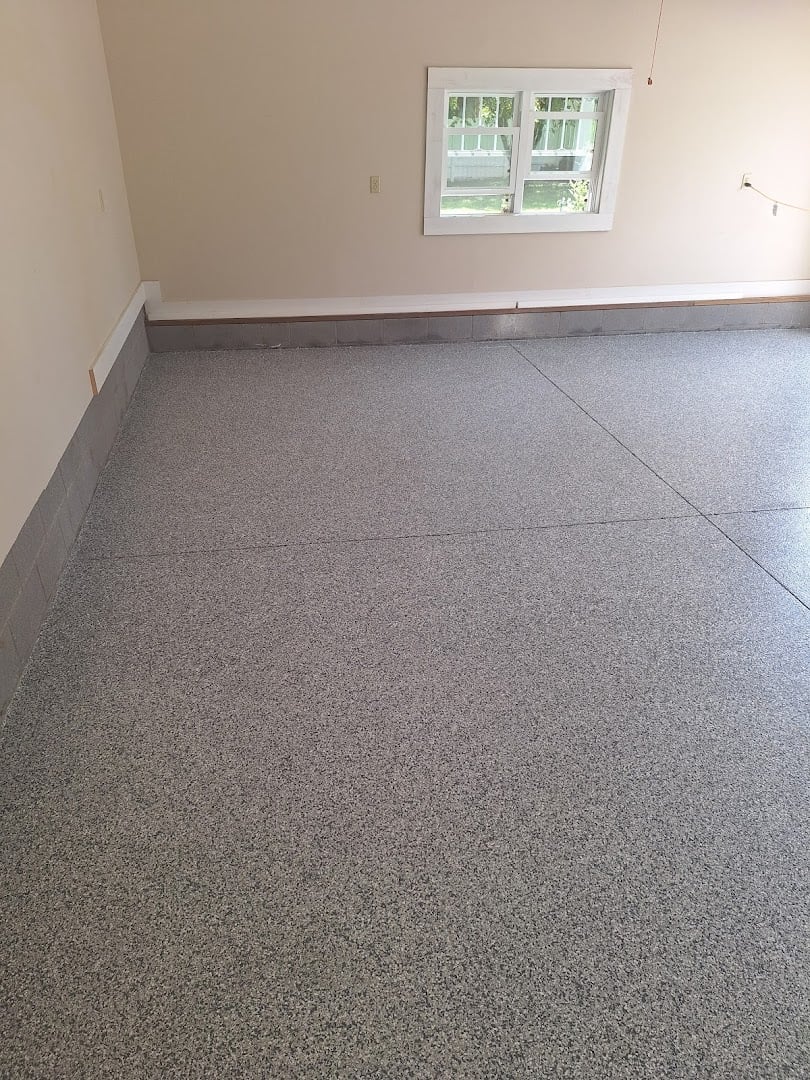
- Garage Floors: This is perhaps the most common residential application. An epoxy floor in a garage protects against oil spills, hot tire pickup, and general wear, while also brightening the space and making it easier to clean.
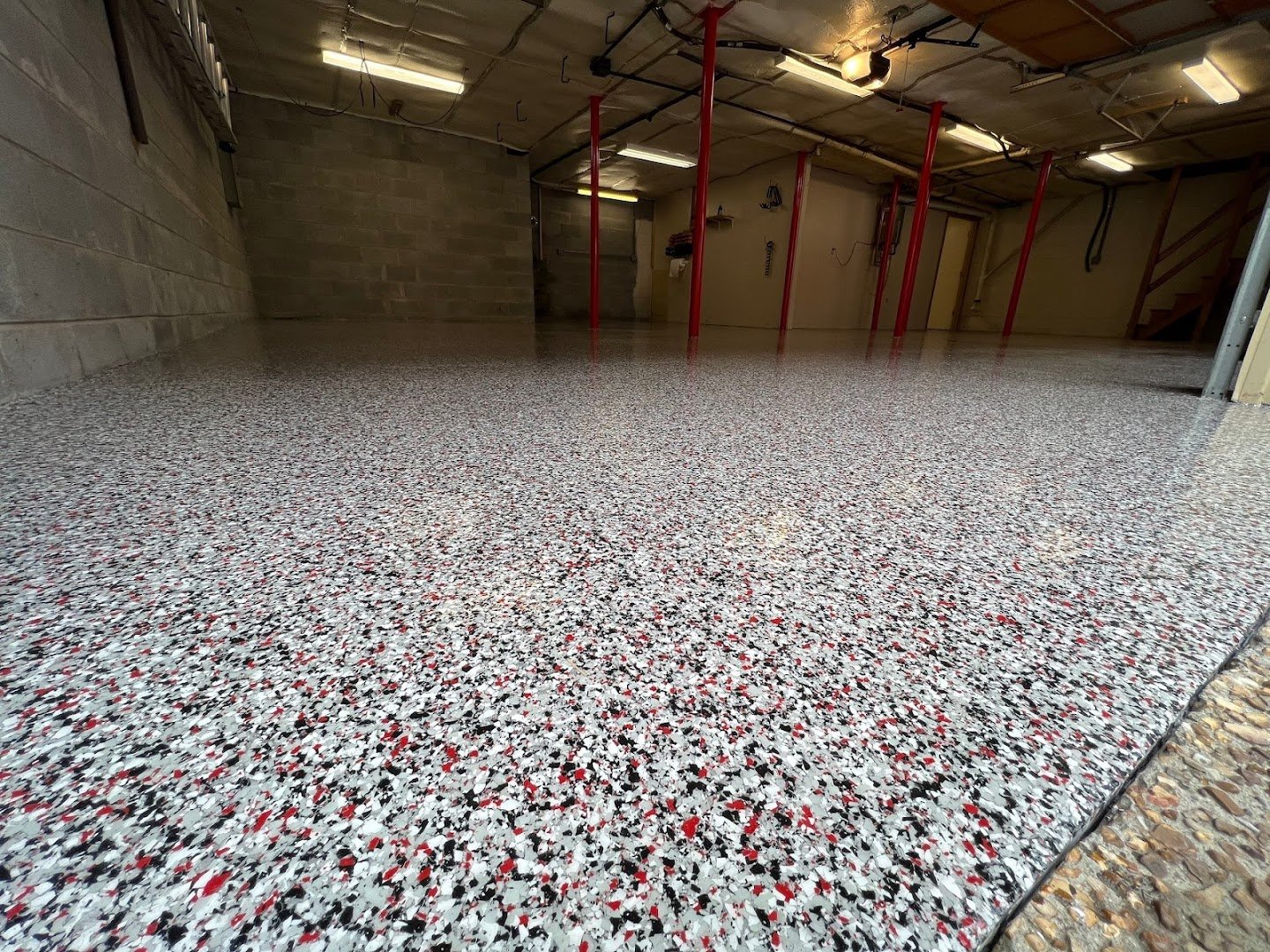
- Basement Floors: Epoxy can transform a drab concrete basement into a vibrant, functional living area, offering moisture resistance and a clean, finished look.
- Commercial & Industrial Spaces: Warehouses, manufacturing plants, showrooms, and even hospitals frequently utilize epoxy due to its chemical resistance, high durability, and ability to withstand heavy machinery and foot traffic.
- Retail Stores: Businesses often choose epoxy for its customizable aesthetics, allowing for unique colors, patterns, and even embedded logos to enhance brand identity.
The Benefits and Drawbacks of Epoxy Coatings
While an epoxy floor offers numerous advantages, it's important to understand both its strengths and limitations to determine if it's the right choice for your specific needs.
Benefits:
- Durability: Highly resistant to impacts, abrasions, and chemicals.
- Aesthetics: Available in a vast range of colors, flakes, and finishes, offering significant customization.
- Easy to Clean: The seamless, non-porous surface makes spills and dirt simple to wipe away.
- Cost-Effective: Generally more affordable upfront compared to some other high-performance coatings.
- Increased Light Reflectivity: Brighter finishes can significantly enhance ambient lighting, especially in garages and basements.
Drawbacks:
- Installation Time: Traditional epoxy systems often require multiple coats and extended cure times, meaning the area can be out of commission for several days.
- UV Sensitivity: Many epoxy formulations can yellow or chalk when exposed to direct sunlight, making them less ideal for outdoor applications like patios or driveways without specific UV-stable topcoats.
- Slipperiness: When wet, an epoxy floor can be quite slippery, though anti-slip additives can be incorporated.
- Odor During Application: The mixing process can release strong fumes, requiring good ventilation.
- Potential for Cracking/Peeling: Over time, especially with improper installation or significant concrete movement, epoxy can chip, crack, or delaminate.
Beyond Traditional Epoxy: A Superior Alternative
While an epoxy floor has served well for decades, modern advancements in concrete coating technology have introduced superior alternatives that address many of epoxy's traditional drawbacks. At Maverick Concrete Coatings, we specialize in premium polyurea and polyaspartic systems, which represent the next generation of concrete protection.
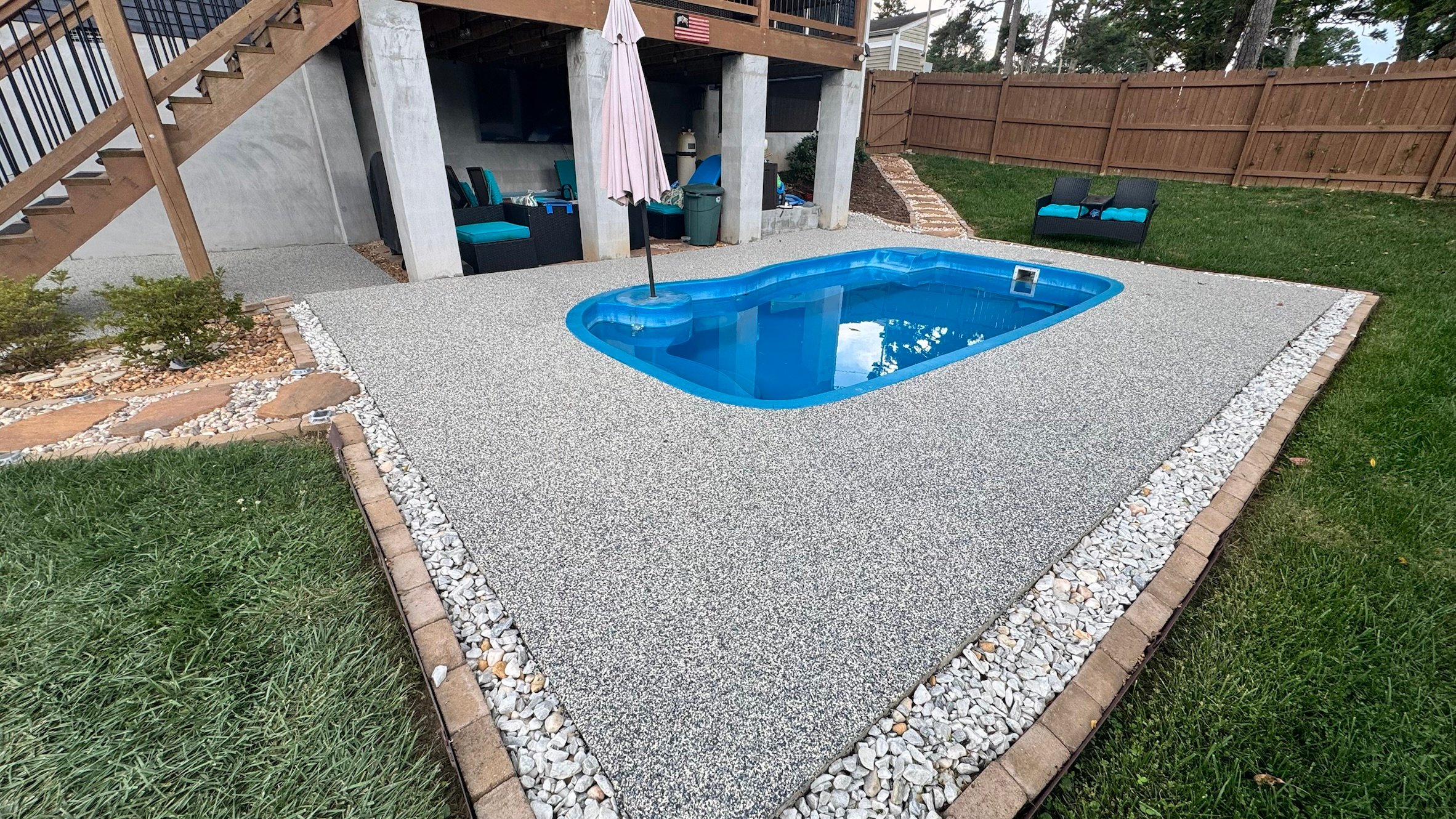
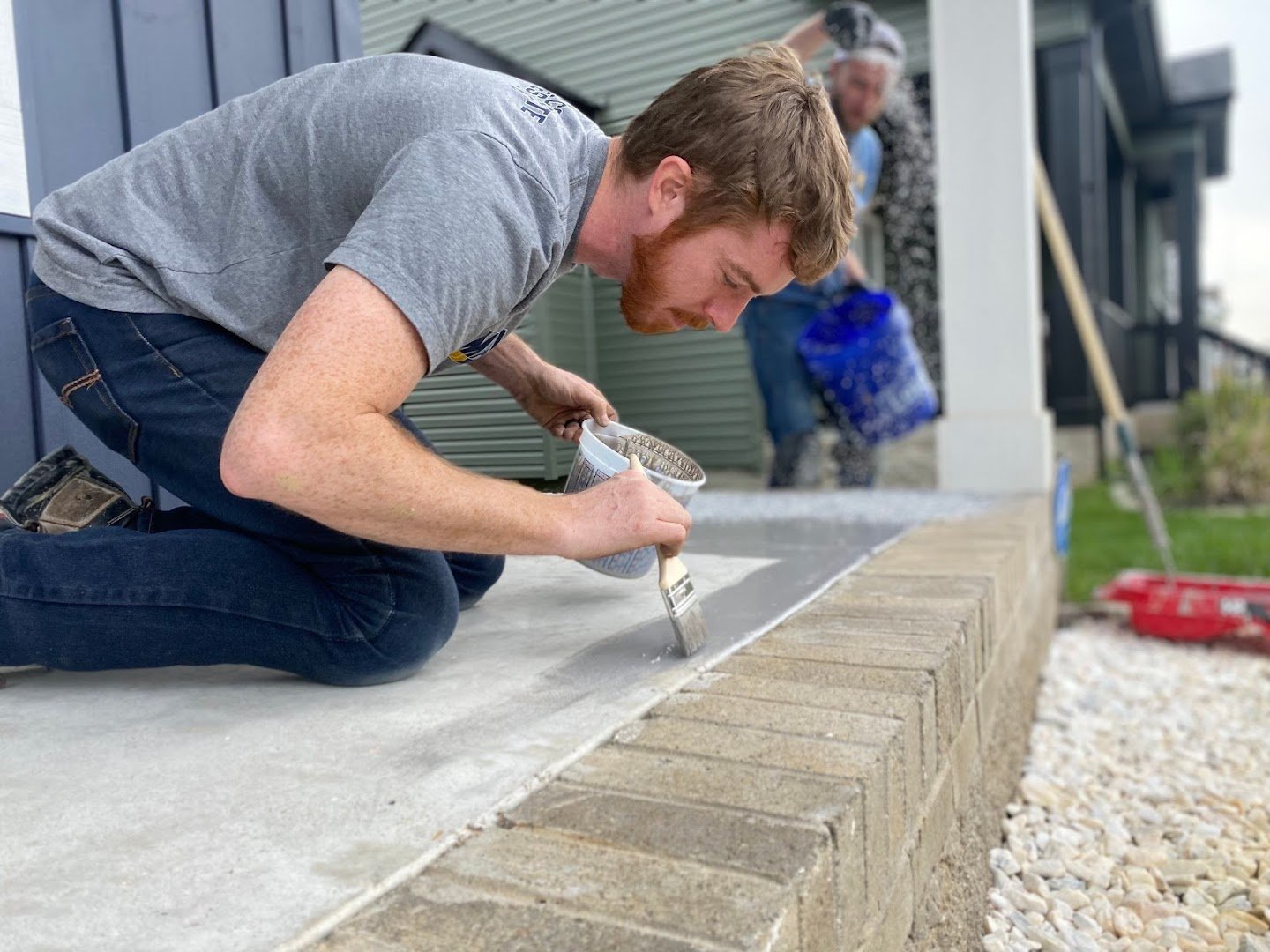
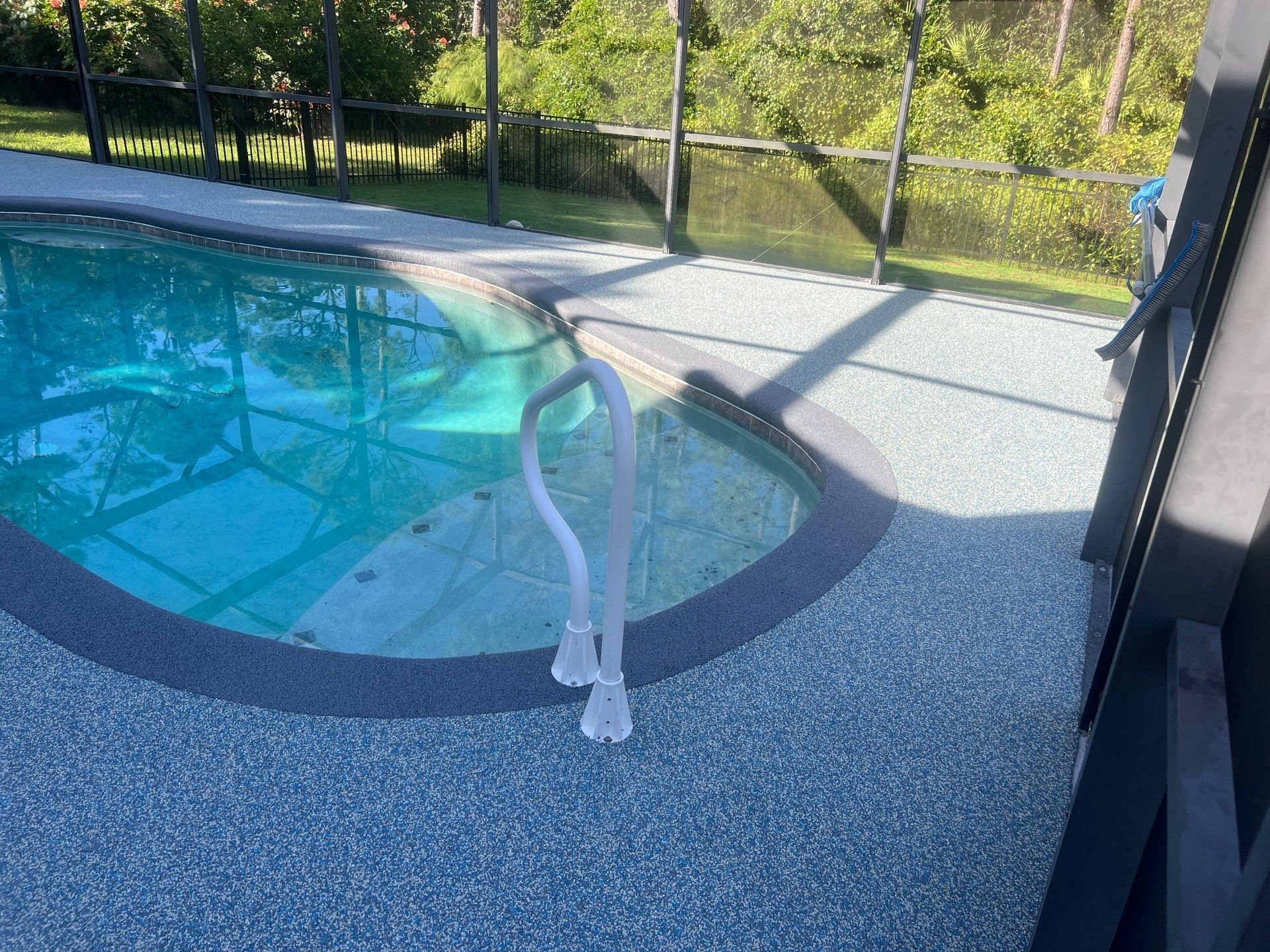
Our polyurea coatings are engineered for extreme durability, flexibility, and rapid installation. Unlike multi-day epoxy processes, Maverick Concrete Coatings can install a complete, high-performance system in just one day, minimizing disruption to your home or business. These advanced coatings are significantly more resistant to UV yellowing, cracking, and chipping than traditional epoxy, making them ideal for both indoor and outdoor applications, including patios, pool decks, and driveways. Backed by a lifetime warranty, our solutions offer unmatched longevity and peace of mind.
Frequently Asked Questions
Is an epoxy floor slippery?
A standard epoxy floor can become slippery when wet. However, anti-slip additives, such as fine aggregates or textured flakes, can be incorporated into the topcoat during installation to significantly increase traction and improve safety.
How long does an epoxy floor last?
The lifespan of an epoxy floor varies greatly depending on the quality of the product, the preparation of the concrete, the installation expertise, and the amount of traffic it endures. Typically, a well-installed epoxy floor can last 5-10 years, though some may show signs of wear sooner, particularly in high-traffic or UV-exposed areas. Premium polyurea systems, like those offered by Maverick Concrete Coatings, often last much longer.
Can I install an epoxy floor myself?
While DIY epoxy kits are available, achieving professional, long-lasting results requires significant expertise in concrete preparation, mixing ratios, and application techniques. Improper installation can lead to peeling, bubbling, and premature failure. For optimal durability and a flawless finish, professional installation is highly recommended.
What's the difference between epoxy and polyurea?
Epoxy is a harder, more rigid coating that can be prone to yellowing and cracking under UV exposure or temperature fluctuations. Polyurea, on the other hand, is significantly more flexible, UV stable, and resistant to extreme temperatures, chemicals, and abrasions. It also cures much faster, allowing for one-day installations, unlike the multi-day process often required for epoxy. Maverick Concrete Coatings exclusively uses these advanced polyurea systems for superior results.
How do I clean an epoxy floor?
An epoxy floor is relatively easy to clean. For general maintenance, simply sweep or vacuum to remove loose debris. For spills and dirt, a mop with warm water and a mild, pH-neutral cleaner is usually sufficient. Avoid harsh chemicals, abrasive cleaners, or steel wool, as these can damage the coating.
What kind of maintenance does an epoxy floor need?
Beyond regular cleaning, an epoxy floor requires minimal maintenance. It's advisable to promptly clean up spills to prevent staining and to avoid dragging heavy, sharp objects that could scratch the surface. Periodically inspecting for any small chips or cracks and addressing them early can help prolong the life of the coating.
Understanding the full scope of concrete coating options, from a traditional epoxy floor to advanced polyurea systems, empowers you to make the best decision for your property. For the ultimate in durability, rapid installation, and a lifetime warranty, consider the premium solutions offered by Maverick Concrete Coatings. Ready to transform your concrete floors with a superior coating that lasts? Get a free estimate today and experience the difference of a one-day installation.