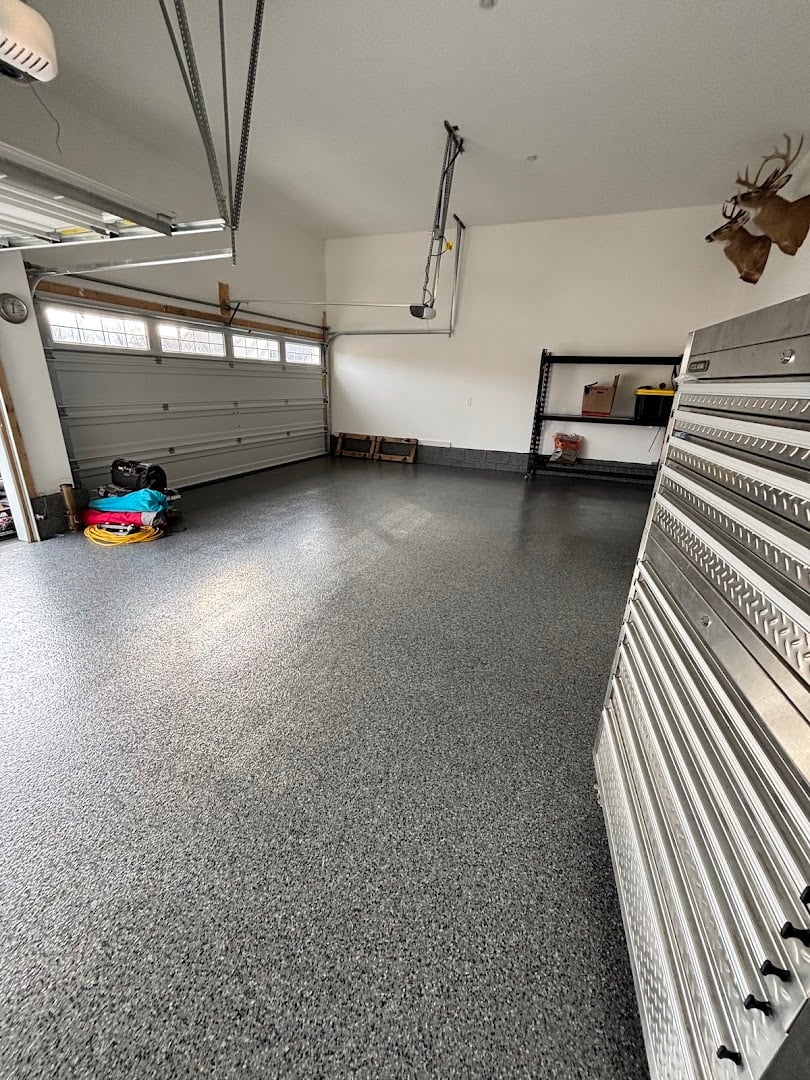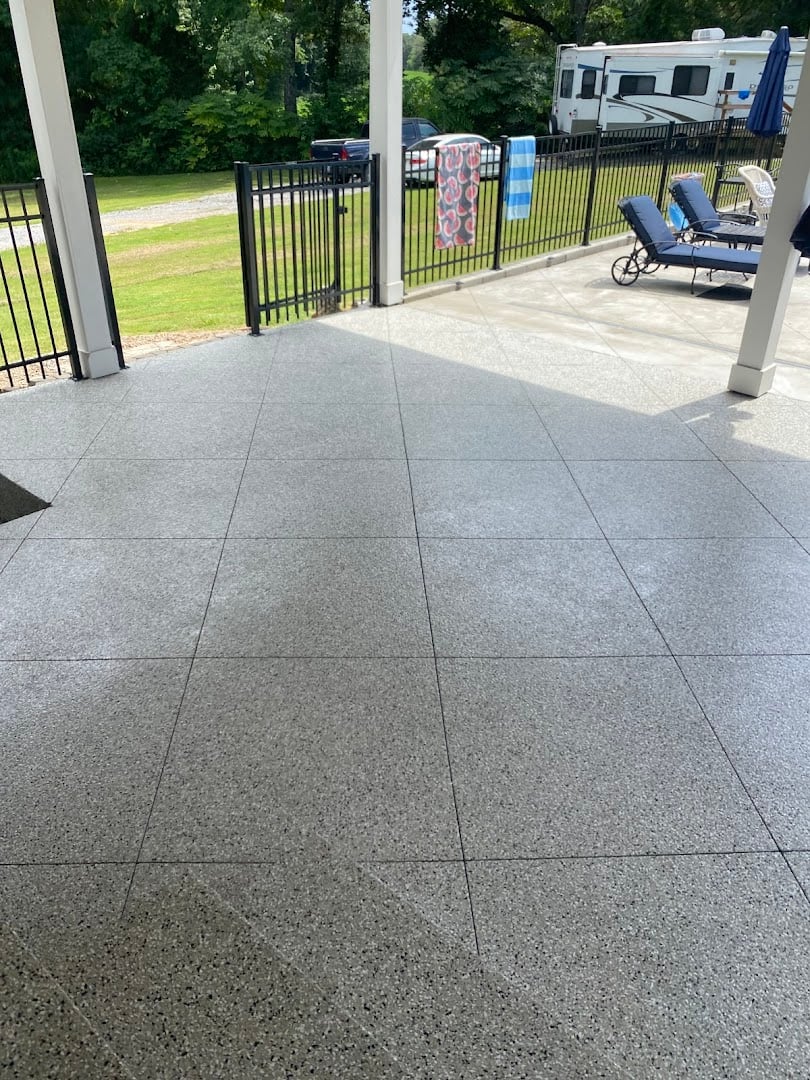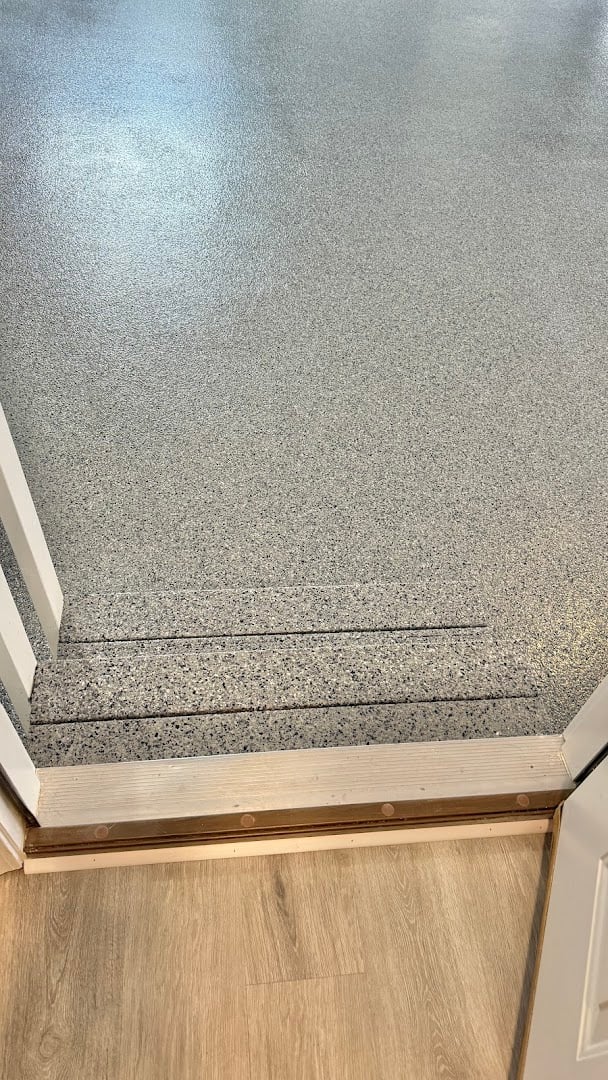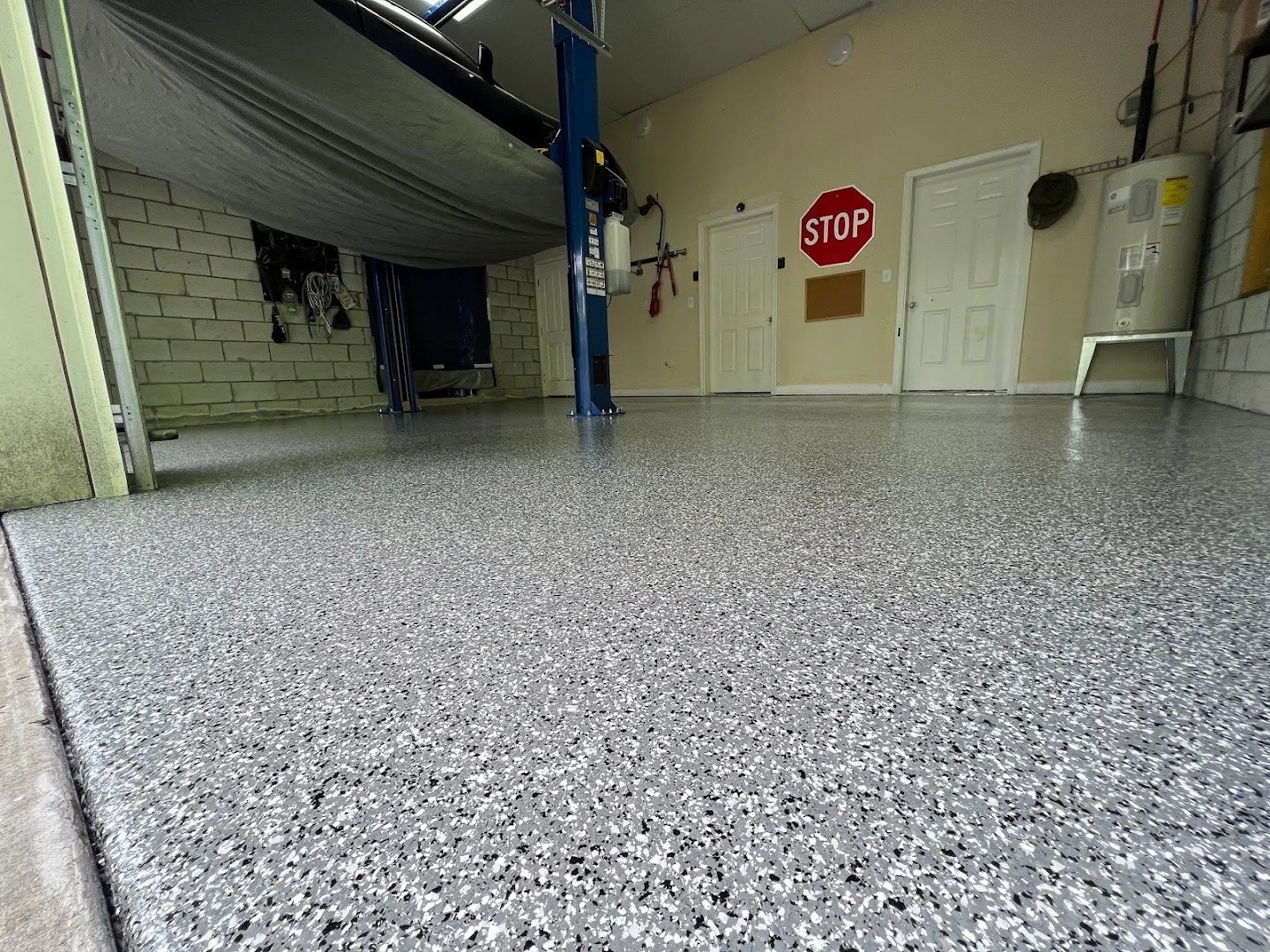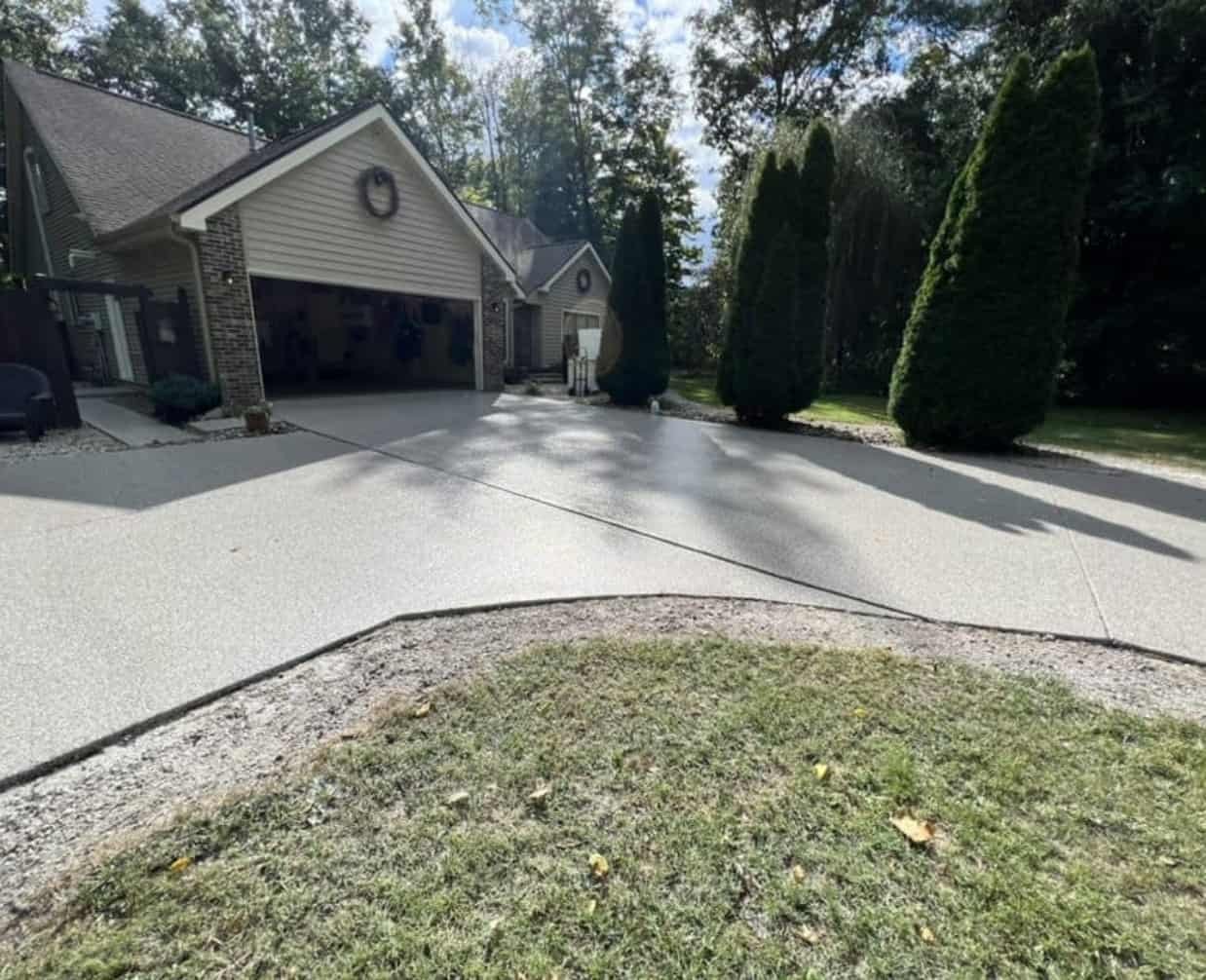
Quick answer: For long-lasting garage floors, polyurea significantly outperforms traditional epoxy. Polyurea offers superior flexibility, cures in a single day, and resists both UV damage and chemical spills. Choosing polyurea means investing in a highly durable surface that resists yellowing, peeling, and cracking under heavy pressure.
Key Takeaways
- Polyurea is significantly more flexible than epoxy, making it highly resistant to cracking and peeling as concrete shifts.
- Installation times are drastically shorter with polyurea, often allowing homeowners to use their garages again within 24 hours.
- Polyurea is UV resistant, ensuring your garage floor will not yellow or fade over time when exposed to sunlight.
Upgrading a garage floor transforms a dusty, stained concrete slab into a clean, functional workspace. Homeowners looking to protect their concrete floors often face a choice between two popular materials: epoxy and polyurea. While epoxy has dominated the market for decades, material science advancements have introduced polyurea as a superior alternative.
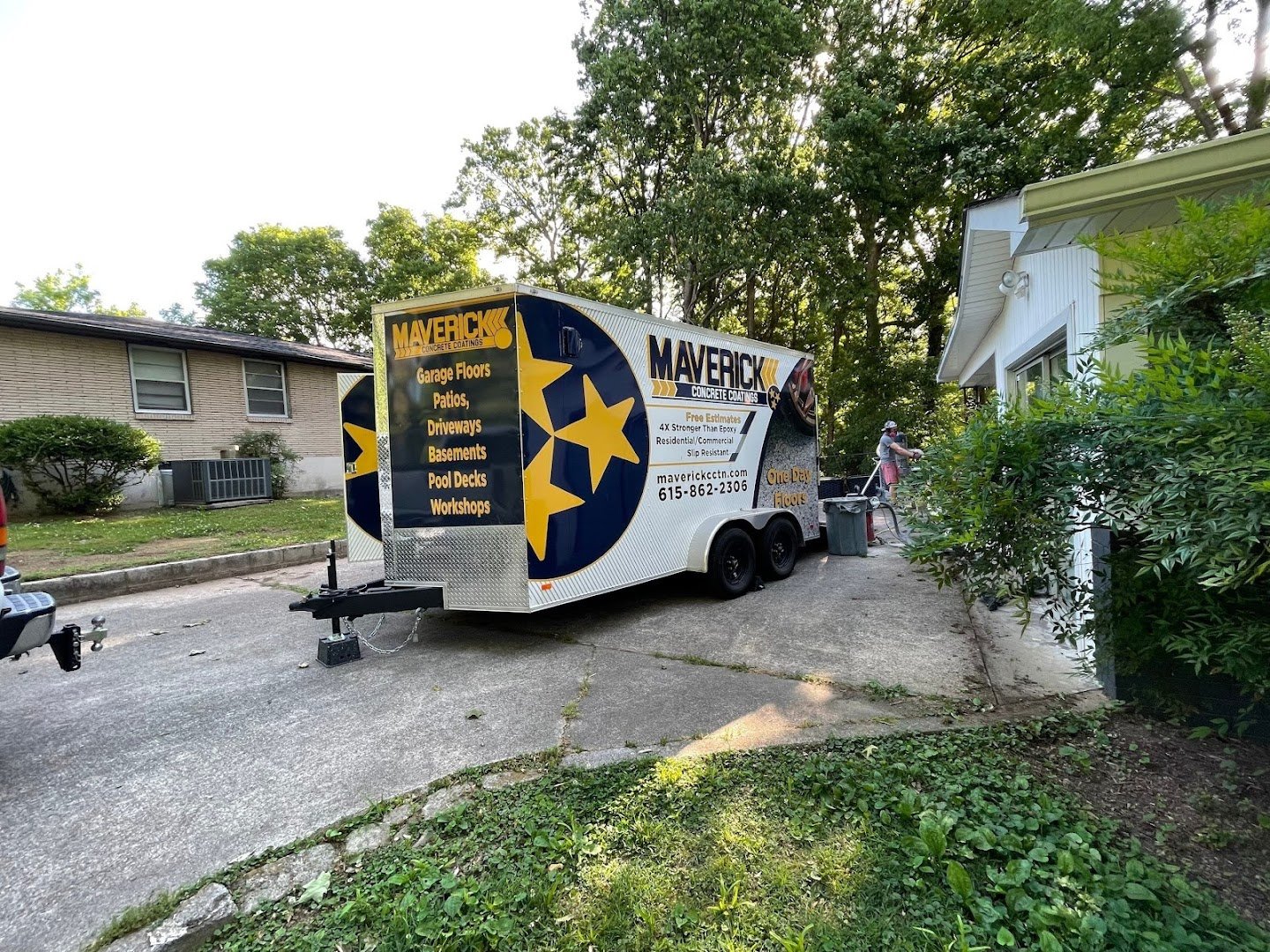
Understanding the chemical and practical differences between these two materials helps homeowners make informed decisions. Maverick Concrete specializes in high-quality applications, ensuring that every floor we treat stands up to heavy vehicle traffic, temperature fluctuations, and accidental chemical spills.
What are the main differences between polyurea and epoxy coatings?
The primary difference between polyurea and epoxy lies in their chemical composition and how they bond with concrete. Epoxy is a thermosetting polymer that creates a hard, thick shell over the concrete. Polyurea is an elastomer. This elastomeric nature means polyurea can stretch and move with the concrete beneath it.
When temperature changes cause a concrete slab to expand and contract, a rigid epoxy coating often cracks or peels away. Polyurea accommodates these natural shifts. This flexibility is the exact reason why polyurea is quickly becoming the gold standard for Concrete Coatings for Garages.
Why does polyurea cure faster than traditional epoxy?
Epoxy coatings typically require several days to fully cure. During this waiting period, homeowners must keep their vehicles parked outside and avoid walking on the surface. Polyurea cures incredibly fast due to its rapid chemical reaction.
Installers can often prep the floor, apply the polyurea coating, and finish the job in a single day. You can generally walk on a polyurea floor within a few hours and park your car on it the very next day. This rapid return to service minimizes disruption to your daily routine.
How does flexibility prevent garage floor cracks?
Concrete is a porous material that naturally settles and shifts over time. When a heavy vehicle drives over a rigid epoxy floor, the stress transfers directly into the concrete. If the concrete shifts, the stiff epoxy cannot stretch, leading to delamination and cracking.
Polyurea boasts high elasticity. It bridges small cracks and absorbs impact much better than epoxy. If a heavy wrench drops on a polyurea floor, the material absorbs the shock rather than chipping away.
Why is UV resistance critical for garage floors?
Garages frequently receive direct sunlight when the doors remain open during the day. Traditional epoxy coatings are notoriously sensitive to ultraviolet light. Extended UV exposure causes clear epoxy topcoats to turn a cloudy, yellowish hue. This discoloration ruins the aesthetic appeal of a freshly coated floor.
Polyurea is completely UV stable. The clear topcoat remains crystal clear, and the underlying color flakes retain their vibrant appearance for decades. This UV stability ensures your investment continues looking pristine year after year.
How to choose the right concrete professional?
Applying a high-quality polyurea coating requires specialized equipment and deep technical knowledge. The concrete must be mechanically ground to the correct profile to ensure a permanent bond. Choosing a reputable Nashville Concrete Coating Contractor guarantees the surface is prepared correctly before a single drop of polyurea touches the floor.
Maverick Concrete uses commercial-grade diamond grinders to prepare your garage floor. We carefully repair existing cracks and divots before applying our premium polyurea basecoat and UV-stable topcoat. Proper installation is the key to a floor that lasts a lifetime.
Protect your garage floor with Maverick Concrete
Investing in a polyurea coating secures the longevity and beauty of your garage floor. By choosing a material that resists chemicals, withstands impacts, and cures rapidly, you eliminate the constant maintenance required by bare concrete or cheap epoxy kits.
If you want a durable, beautiful surface that will handle everything you throw at it, reach out to Maverick Concrete today. Our team will assess your current floor and provide a customized plan to upgrade your space.
Frequently Asked Questions
How much does a polyurea garage coating cost compared to epoxy?
Polyurea generally carries a higher upfront material cost than standard DIY epoxy kits. However, because polyurea lasts significantly longer and does not require frequent recoating or repairs, it is vastly more cost-effective over a 10- to 15-year period.
How long does a polyurea concrete coating last?
When properly installed by a professional team, a polyurea coating easily lasts 15 to 20 years in a residential garage setting. The material's resistance to hot tire pickup, chemical spills, and UV damage ensures a long lifespan.
Can polyurea be applied in cold weather?
Yes. Unlike epoxy, which requires specific warm temperatures to cure properly, polyurea cures effectively in extremely cold temperatures. This allows professionals to install polyurea coatings year-round without compromising the bond strength.