Quick Answer: Certain pool deck coatings—particularly high-quality systems like RevaFlex Pool Deck Coatings—reflect solar heat instead of absorbing it, keeping surface temperatures significantly cooler underfoot. The right coating material, color, and finish all play a role in how hot your deck gets on a summer afternoon.
Barefoot on a pool deck in July. For a split second, it's fine—then it isn't. Uncoated concrete and dark pavers can reach surface temperatures well above 140°F on a hot summer day, turning what should be a relaxing afternoon into a sprint from the pool to the shade.
The good news? The right pool deck coating changes that entirely. Modern coating systems are engineered not just for durability and aesthetics, but for thermal performance—meaning your deck stays walkable, comfortable, and safe even when the sun is at its peak.
This post breaks down exactly how pool deck coatings keep surfaces cool, what to look for when choosing one, and why homeowners across Mount Juliet, TN are making the switch to smarter coating systems this summer.
Key Takeaways
- Pool deck coatings reduce surface heat by reflecting solar radiation rather than absorbing it, making them far more comfortable underfoot than bare concrete.
- Coating color, material composition, and finish texture all directly affect how hot a pool deck gets in summer.
- RevaFlex Pool Deck Coatings, applied by a trusted Mount Juliet TN Pool Deck Coating Company like Maverick Concrete Coatings, offer a heat-reflective, slip-resistant solution built for Tennessee summers.
Why Does Uncoated Concrete Get So Hot?
Concrete is a dense material with high thermal mass. During the day, it absorbs solar radiation continuously—storing heat rather than reflecting it. By early afternoon, an uncoated gray concrete pool deck can easily reach surface temperatures of 130°F to 150°F, even when the air temperature is only in the low 90s.
Color plays a significant role here. Darker surfaces absorb more of the sun's energy across the visible and infrared spectrum. Lighter surfaces reflect more. But color alone doesn't determine heat retention—material composition and surface finish matter just as much.
This is where pool deck coatings come in.
How Pool Deck Coatings Reduce Surface Temperature
Reflective Pigments and Solar Reflectance Index (SRI)
High-performance deck coatings use specially formulated pigments that reflect infrared radiation—the part of sunlight most responsible for surface heating. These pigments are measured by a metric called the Solar Reflectance Index (SRI), which combines solar reflectance and thermal emittance into a single score. The higher the SRI, the cooler the surface stays.
Standard gray concrete typically has an SRI in the range of 30–40. Quality pool deck coatings can push that number significantly higher, resulting in measurably cooler surfaces under the same sun exposure.
Textured Finishes That Reduce Heat Buildup
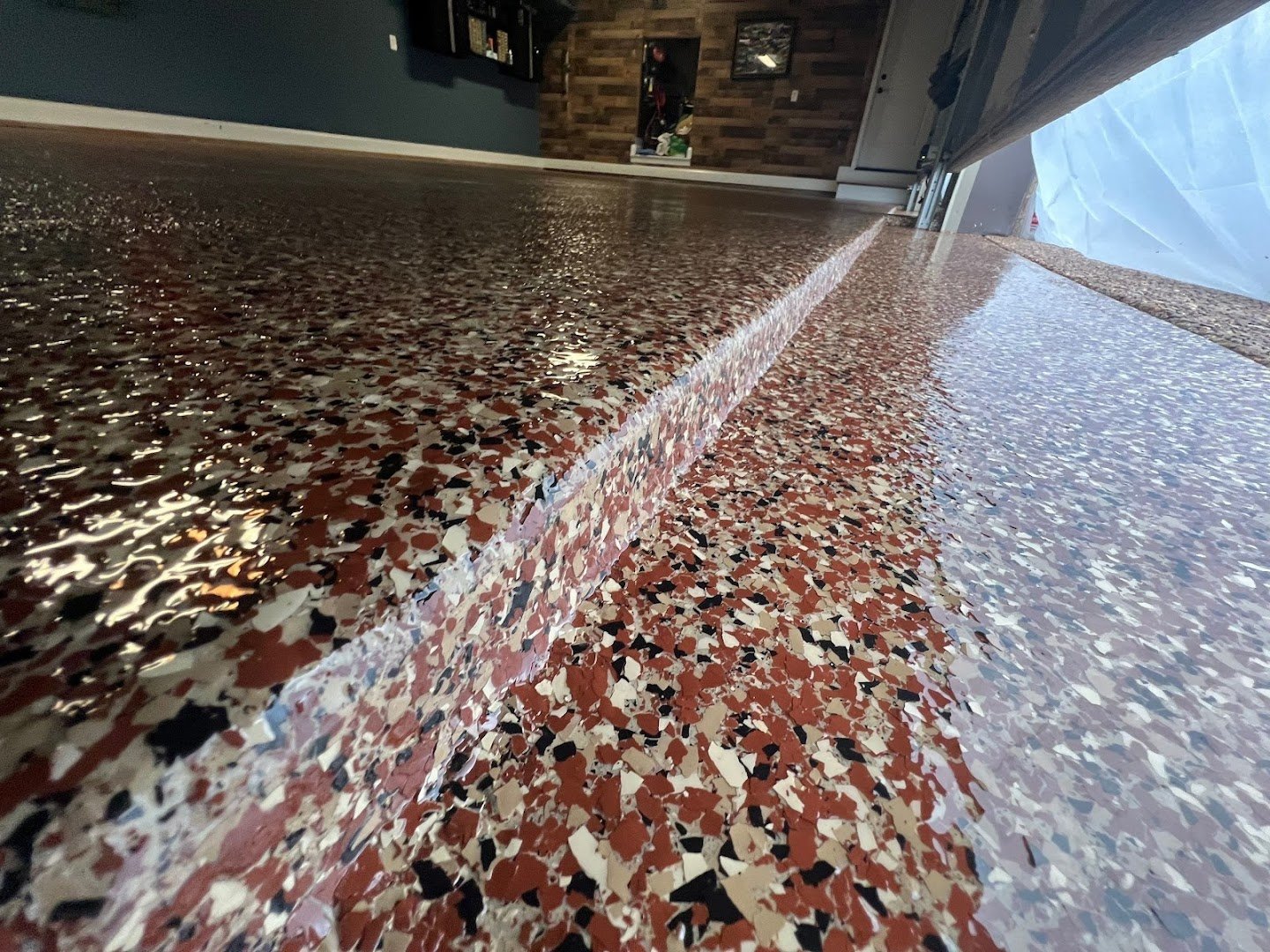
Surface texture also affects heat absorption. Smooth, flat surfaces allow heat to concentrate evenly across the entire plane. Textured finishes—like the aggregate or knockdown textures common in quality deck coatings—create micro-shadows across the surface. These tiny pockets of shade reduce the overall heat load the deck absorbs throughout the day.
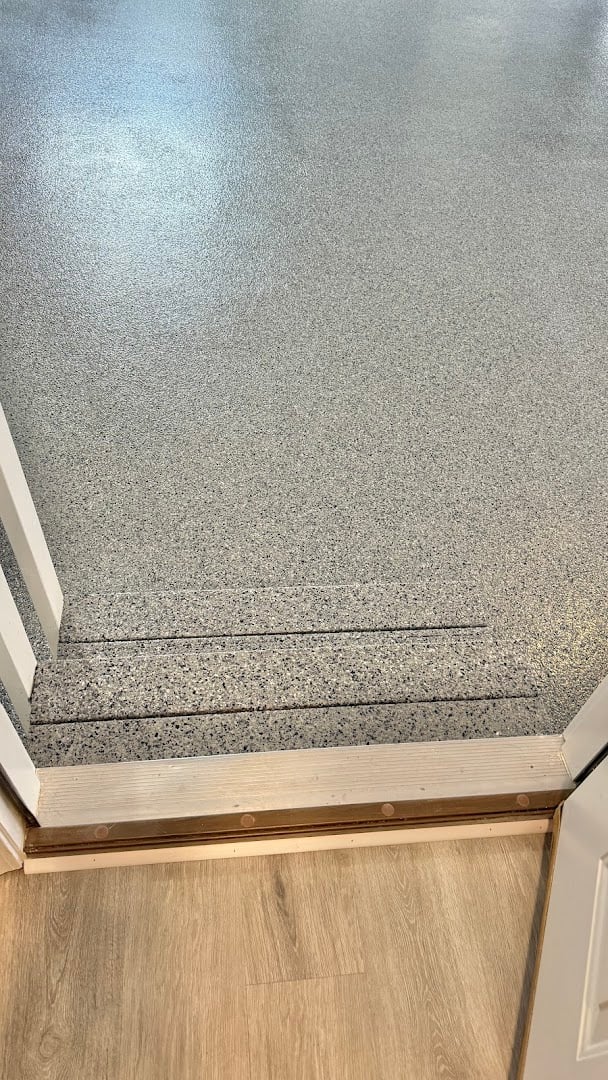
This texture also serves a practical safety function: it improves traction on a wet pool deck, reducing slip risk for kids and adults alike.
Thermal Emittance: Releasing Heat Faster
Beyond reflecting heat, quality coatings also improve thermal emittance—the surface's ability to release absorbed heat back into the air. A deck with high thermal emittance cools down faster in the evening and doesn't hold residual heat into the night. For families who use their pool after sundown, this makes a real difference in comfort.
What Makes RevaFlex Pool Deck Coatings Stand Out?
Not all coatings are created equal. RevaFlex Pool Deck Coatings are specifically engineered for pool deck environments, combining heat-reflective performance with the durability needed to handle water, UV exposure, pool chemicals, and heavy foot traffic.
Key features that contribute to cooler surfaces include:
- Heat-reflective base formulation that minimizes solar absorption without sacrificing color vibrancy
- Slip-resistant texture options that provide safety while reducing concentrated heat buildup
- UV-stable pigments that maintain their reflective properties over time, even after years of direct sun exposure
- Flexible bonding that resists cracking from thermal expansion—a common issue in Tennessee's hot summers
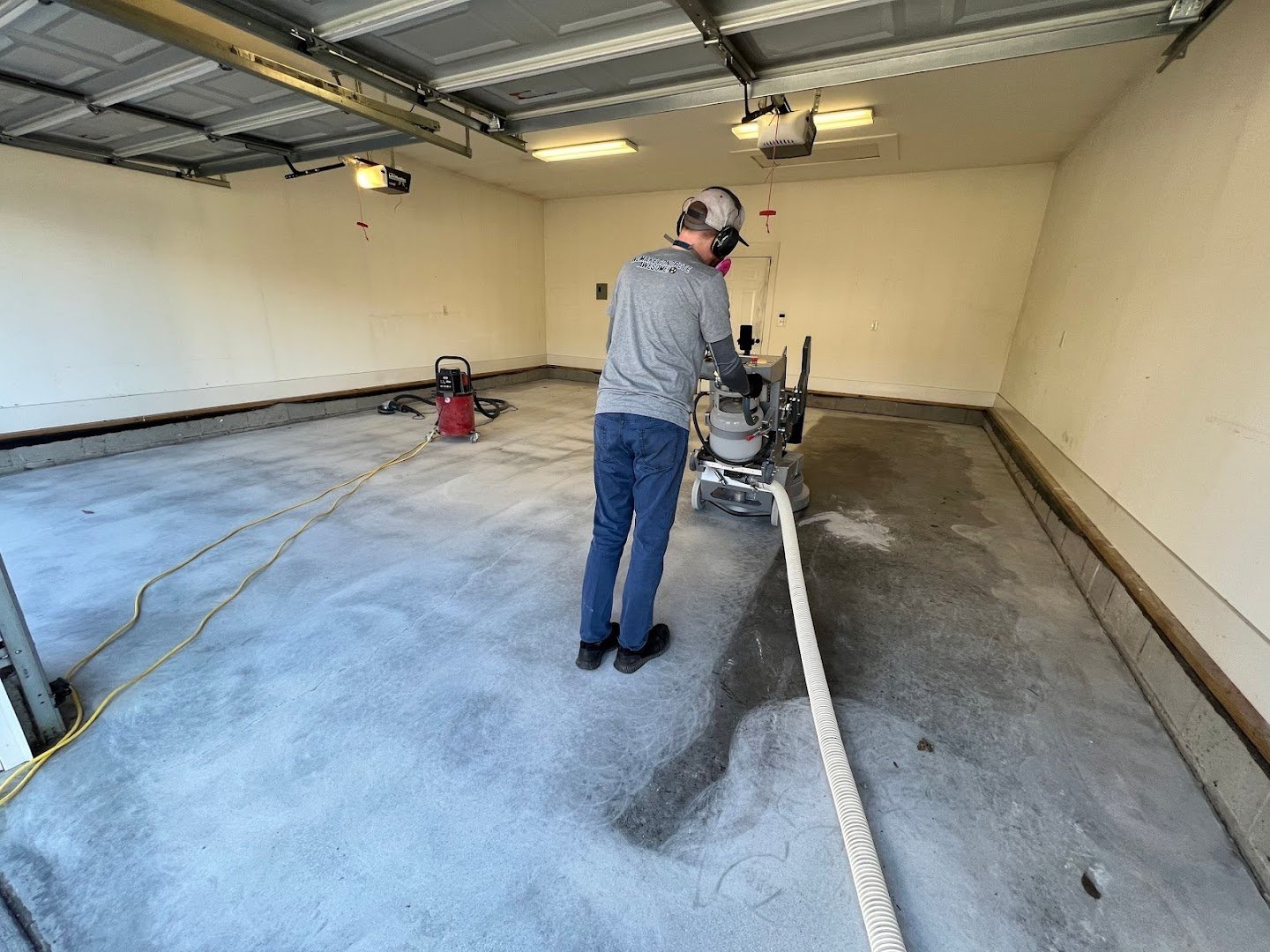
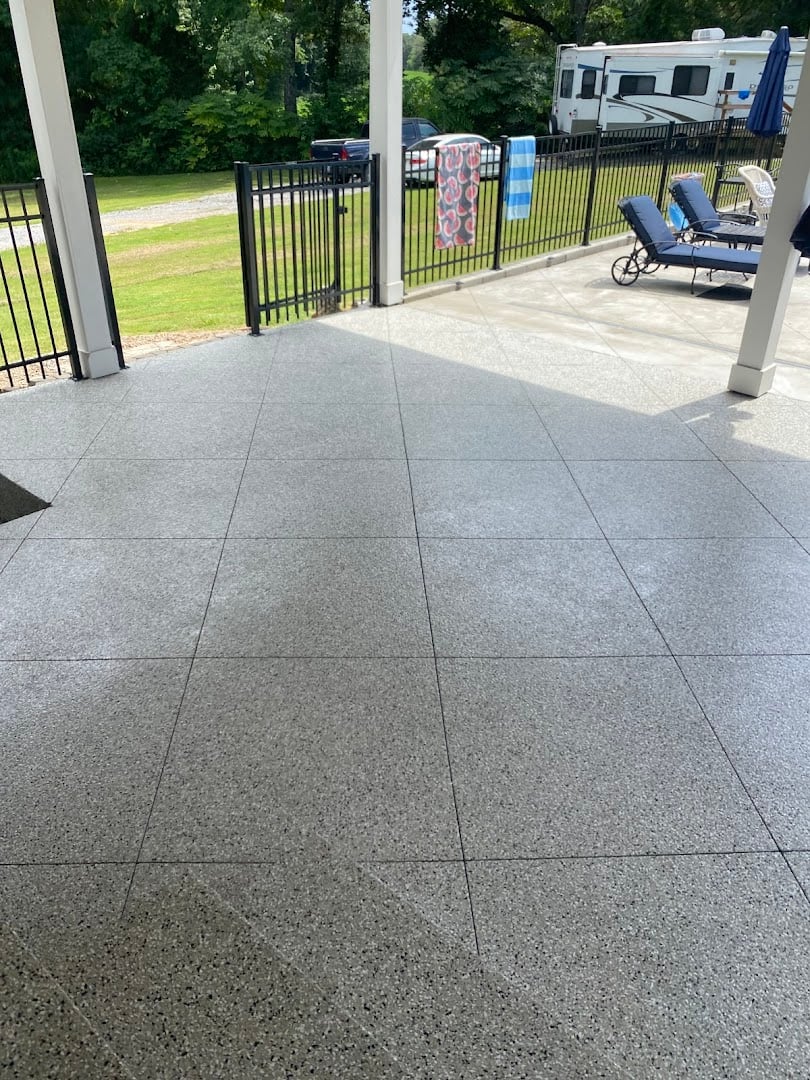
Because RevaFlex Pool Deck Coatings are applied directly over existing concrete, there's no need to tear out and replace your deck. The coating bonds to the surface and transforms both the look and the thermal performance in a single application.
Does Coating Color Affect How Cool a Pool Deck Stays?
Yes—but perhaps less than most people assume. While lighter colors generally reflect more solar energy, the reflective pigment technology in modern pool deck coatings allows even medium-toned colors to perform well thermally. A mid-tone tan or sandstone color with the right pigment formulation can outperform a standard white concrete surface in terms of actual surface temperature.
That said, if maximum heat reduction is the priority, lighter shades will always have a thermal advantage. Maverick Concrete Coatings can walk you through color options that balance aesthetics with thermal performance for your specific deck and sun exposure.
Why Mount Juliet Homeowners Need Heat-Reflective Pool Decks
Tennessee summers are no joke. Mount Juliet regularly sees extended stretches of 90°F+ heat from June through September, with high humidity that makes it feel even hotter. An uncoated or poorly coated pool deck in this climate doesn't just get uncomfortable—it can become a safety hazard, especially for young children who are more sensitive to contact burns.
As a dedicated Mount Juliet TN Pool Deck Coating Company, Maverick Concrete Coatings understands what local decks go through. Sun angle, heat duration, and regional concrete conditions all factor into the right coating recommendation. RevaFlex Pool Deck Coatings are a go-to solution for homeowners in the area who want a deck that looks great, performs safely, and stays genuinely walkable through the hottest months of the year.
The Right Time to Coat Your Pool Deck
Spring is the ideal window for pool deck coating projects in Middle Tennessee. Temperatures are mild enough for proper curing, and you'll have your deck ready before the summer heat sets in. That said, experienced contractors can work through most of the year—coating projects typically cure within 24–48 hours, meaning minimal disruption to your schedule.
If your current deck is cracked, faded, or simply too hot to walk on comfortably, a coating system is almost always more cost-effective than full replacement. And with the thermal performance benefits of a system like RevaFlex Pool Deck Coatings, the upgrade pays dividends every single summer.
Frequently Asked Questions
How much cooler does a coated pool deck stay compared to uncoated concrete?
Quality heat-reflective coatings can reduce surface temperature by 20°F to 40°F compared to uncoated concrete under the same sun conditions. Exact results depend on color choice, coating system, and sun exposure.
Are RevaFlex Pool Deck Coatings safe for kids and wet feet?
Yes. RevaFlex coatings include slip-resistant texture options specifically designed for wet pool environments, making them safer than smooth concrete or tile.
How long does a pool deck coating last in Tennessee's climate?
With proper surface preparation and professional application, high-quality pool deck coatings typically last 5–10 years or more. UV-stable formulations like RevaFlex are specifically designed to withstand extended sun exposure without fading or degrading.
Can pool deck coatings be applied over cracked or older concrete?
In most cases, yes. Minor cracks can be repaired prior to coating application. A professional assessment from a Mount Juliet TN Pool Deck Coating Company like Maverick Concrete Coatings will determine whether your existing surface is a good candidate.
Is spring or fall better for scheduling a pool deck coating project?
Spring is generally preferred in Middle Tennessee, as it gives the coating time to fully cure before peak summer heat. Fall is also a viable option if you want the deck ready for the following season.
Make the Switch Before Summer Peaks
A hot pool deck isn't just uncomfortable—it's a problem that has a straightforward solution. The right coating system reflects heat, improves safety, and transforms the look of your outdoor space without the cost or disruption of full replacement.
Maverick Concrete Coatings is the trusted Mount Juliet TN Pool Deck Coating Company bringing RevaFlex Pool Deck Coatings to homeowners across the region. If you're ready for a deck that works with your summer—not against it—reach out to Maverick Concrete Coatings today for a free consultation.